Introduction to Alexandra Du Plessis Dentist
The keyword Alexandra Du Plessis dentist has attracted attention from readers who want to learn more about a dental professional associated with community healthcare and patient-focused dentistry. Dentistry is an important part of modern healthcare because it supports healthy teeth and gums, helps prevent oral diseases, and contributes to a person’s confidence and general well-being.
A dentist’s responsibilities extend beyond treating toothaches. Dental professionals help patients understand preventive care, identify potential problems at an early stage, and choose suitable treatments for their individual needs. For people who experience dental anxiety or have additional healthcare requirements, compassionate communication can be just as important as clinical knowledge.
Information published online associates Alexandra Du Plessis with community dental care in the United Kingdom, particularly work connected with Oxford Health NHS Foundation Trust. However, detailed personal information, qualifications, employment history, and specific treatment services should be confirmed through reliable professional sources rather than assumed from general online articles. Alexandra Du Plessis, Dentist+1
This article explores the subject of Alexandra Du Plessis dentist through the wider context of professional dentistry, community healthcare, preventive treatment, patient communication, and the qualities people should look for when learning about a dental practitioner.
Who Is Alexandra Du Plessis Dentist
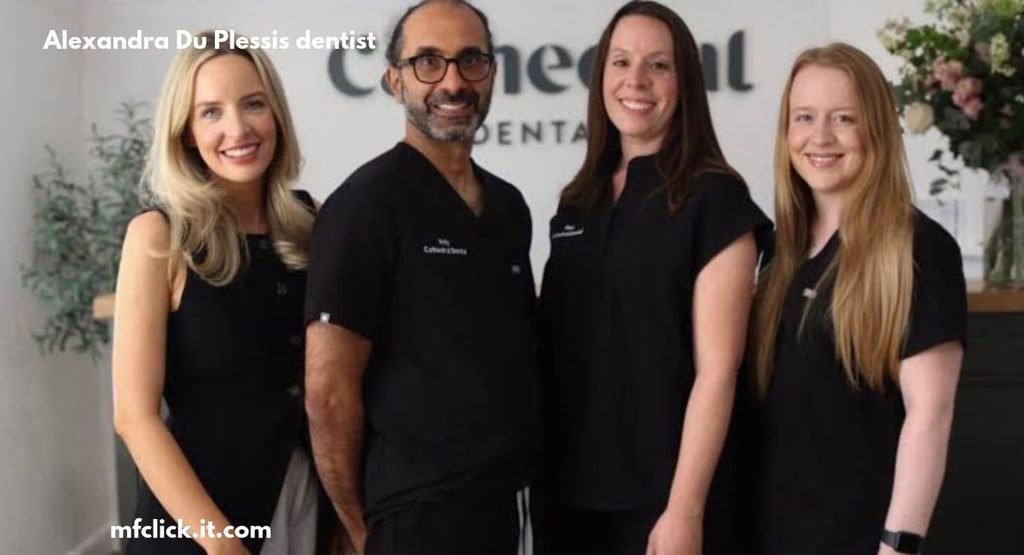
When people search for Alexandra Du Plessis dentist, they may be looking for information about her professional background, dental experience, workplace, or approach to patient care. A name-based search can be a starting point for discovering information, but it is important to distinguish verified facts from descriptions that have not been independently confirmed.
Online articles have described Alexandra Du Plessis in connection with community dentistry and care for patients who may have difficulty accessing conventional dental services. These descriptions suggest that the subject is relevant to discussions about accessible oral healthcare and the responsibilities of dental professionals working with different patient needs. Alexandra Du Plessis, Dentist+1
Nevertheless, readers should be cautious about accepting every online claim as an established fact. Details such as university qualifications, years of experience, professional registrations, specialist credentials, and individual treatment outcomes require dependable evidence.
Understanding a dental professional’s background involves more than reading a short biography. It also means considering the professional standards expected of dentists, their approach to patient safety, and the healthcare environment in which they work.
For anyone researching Alexandra Du Plessis dentist, a balanced overview should therefore focus on the available information while explaining the wider professional principles that make good dental care valuable.
The Importance of a Career in Dentistry

Dentistry combines scientific knowledge, practical clinical skills, communication, and an understanding of human health. Dental professionals examine the mouth, diagnose oral conditions, recommend treatments, and help patients maintain healthy teeth and gums throughout their lives.
A career in dentistry generally requires formal university-level education, supervised clinical training, and registration with the appropriate regulatory authority. Depending on the country and the type of practice, additional training may be necessary for particular specialties.
The profession also demands continuous learning. Dental materials, diagnostic equipment, treatment techniques, and infection-control practices continue to develop. Practitioners must keep their knowledge current so that their decisions reflect accepted professional standards.
Another important part of dentistry is understanding that every patient has different needs. A young child visiting for the first time may need reassurance and simple explanations, while an older adult may require support with several dental concerns at once.
Patients with disabilities, complex medical histories, or significant anxiety may need additional planning and adjustments. These situations demonstrate why dentistry involves both technical competence and the ability to respond thoughtfully to individual circumstances.
Although the exact details of Alexandra Du Plessis’s training should be verified independently, these professional expectations provide useful context for understanding the work associated with the keyword Alexandra Du Plessis dentist.
Understanding Community Dentistry

Community dentistry plays an important role in making oral healthcare accessible to people who may face barriers when visiting a conventional dental practice. Instead of focusing exclusively on patients who can easily attend routine appointments, community services may provide additional support for people with disabilities, medical conditions, or other circumstances that make ordinary dental treatment difficult.
The purpose of community dentistry is to reduce inequalities in oral health. Some patients need adapted facilities, extra appointment time, specialist equipment, or coordination between dental professionals and other healthcare providers. Without these arrangements, preventable dental problems can become more serious.
Community dental teams may work with hospitals, residential care facilities, schools, carers, and other health services. Their responsibilities can include dental examinations, preventive advice, treatment planning, and helping patients access appropriate clinical care.
The exact services offered depend on the local healthcare system and the needs of the population. Not every community dental service provides every procedure, and some patients may require referral to a specialist.
The subject of Alexandra Du Plessis dentist is relevant to this wider discussion because online accounts connect her name with community dental care. Understanding the purpose of such services helps readers appreciate why accessibility, patience, and individualised treatment are essential parts of the profession.
Why Patient-Centred Dentistry Matters
Patient-centred dentistry places the patient’s needs, preferences, concerns, and circumstances at the centre of treatment decisions. Rather than treating every appointment in exactly the same way, a patient-centred practitioner considers what will help each individual understand and receive appropriate care.
For example, some patients want detailed explanations before a procedure, while others prefer a shorter explanation followed by an opportunity to ask questions. Some may be nervous about needles, dental instruments, sounds, or previous painful experiences.
A thoughtful dentist recognises these concerns without dismissing them. Explaining the purpose of a procedure, discussing available options, and allowing patients to express their worries can make appointments more manageable.
Patient-centred care also involves informed consent. Patients should receive understandable information about proposed treatments, their potential benefits and risks, relevant alternatives, and what may happen if treatment is postponed.
This approach encourages people to participate actively in decisions about their oral health. It can also help establish realistic expectations because patients understand what a procedure is intended to achieve.
When researching Alexandra Du Plessis dentist, readers may find the concept of patient-centred care useful for evaluating descriptions of professional practice. However, general principles should not be confused with independently verified claims about any particular practitioner’s individual methods.
Preventive Dentistry and Everyday Oral Health
Preventive dentistry aims to reduce the likelihood of tooth decay, gum disease, and other oral health problems before they require more complicated treatment.
Regular dental examinations allow practitioners to assess the condition of teeth and gums, identify changes, and recommend appropriate preventive measures. The frequency of visits depends on a person’s oral health, medical circumstances, and individual risk factors.
Daily habits are equally important. Brushing with fluoride toothpaste helps strengthen tooth enamel and protect against decay. Cleaning between the teeth removes plaque from areas that a toothbrush may not reach effectively.
Diet also influences oral health. Frequently consuming sugary foods and drinks increases the risk of tooth decay, especially when teeth are repeatedly exposed to sugar throughout the day. Drinking water regularly and limiting frequent sugary snacks can support healthier teeth.
Tobacco use can contribute to gum disease and other oral health concerns. People who smoke or use tobacco products should discuss their risks with a qualified healthcare professional.
Preventive dentistry also includes education. Advice is most useful when patients understand how to apply it to their everyday routines. A dentist may recommend different techniques or products depending on a patient’s age, dexterity, dental appliances, and existing oral conditions.
For readers interested in Alexandra Du Plessis dentist, preventive care provides an important perspective on the wider value of dentistry. Maintaining oral health is not simply about repairing damaged teeth; it also involves developing habits that help protect them over time.
The Role of Dental Examinations
Dental examinations are an essential part of identifying potential oral health problems. During an appointment, a dentist may examine the teeth, gums, tongue, and other parts of the mouth, depending on the patient’s circumstances.
The examination can help identify signs of tooth decay, gum inflammation, damaged restorations, or other conditions requiring further assessment. Dental X-rays may be recommended when clinically appropriate, but they are not automatically necessary at every visit.
Early identification can make some conditions easier to manage. For example, a small cavity may require less extensive treatment than decay that progresses into the deeper structures of a tooth.
Gum disease can also develop without obvious pain during its early stages. Regular assessments help identify warning signs and provide opportunities to discuss oral hygiene and professional cleaning.
A dental examination is not only about detecting disease. It also provides an opportunity to discuss symptoms, changes in medication, medical history, and concerns about appearance or function.
Patients should explain any pain, bleeding, sensitivity, swelling, or difficulty chewing. Sharing this information helps the dentist decide whether additional tests or treatment are necessary.
Restorative Dentistry: Repairing and Protecting Teeth
Restorative dentistry focuses on repairing damaged teeth and helping patients maintain normal oral function. Treatments are selected according to the extent of the damage, the condition of the surrounding tissues, and the patient’s overall needs.
Fillings are commonly used to restore teeth affected by decay or minor damage. Depending on the circumstances, a dentist may recommend a suitable filling material to restore the tooth’s shape and function.
Crowns can cover and protect teeth that have become significantly weakened. Bridges may replace certain missing teeth by using supporting teeth or other appropriate structures. Dentures provide another option for replacing missing teeth, with designs tailored to individual circumstances.
Root canal treatment may be necessary when the soft tissue inside a tooth becomes irreversibly inflamed or infected. The treatment aims to remove affected tissue, clean the internal space, and preserve the remaining tooth where possible.
Not every patient needs restorative treatment, and not every damaged tooth can be treated in the same way. A qualified dentist should explain the available options and discuss their likely advantages, limitations, costs, and maintenance requirements.
These treatments illustrate the range of knowledge required in modern dentistry. They also explain why accurate diagnosis and clear communication are important when planning care.
Special Care Dentistry and Patients With Additional Needs
Special care dentistry addresses the oral health needs of patients who may find it difficult to receive routine treatment because of physical disabilities, learning disabilities, medical conditions, mental health concerns, or other individual circumstances.
For these patients, a standard appointment may need to be adjusted. Some people benefit from longer visits, quieter surroundings, accessible equipment, or communication techniques suited to their needs.
A patient who has difficulty understanding complicated explanations may benefit from clear language and visual demonstrations. Someone with limited mobility may need help arranging accessible transport or entering the dental treatment room.
Medical conditions and medications can also influence dental treatment. A dentist may need to review a patient’s medical history, consult another healthcare professional, or adapt the treatment plan to reduce risks.
In some circumstances, treatment under sedation or general anaesthesia may be considered. These options require appropriate clinical assessment, trained personnel, and suitable safety arrangements. They are not necessary or appropriate for everyone.
The objective of special care dentistry is to make suitable treatment possible while respecting patient dignity, safety, and individual preferences.
Community dental services are particularly important when patients cannot easily receive the care they need in ordinary dental settings. This makes accessibility a significant topic for readers exploring Alexandra Du Plessis dentist and the wider responsibilities of dental professionals.
Supporting Patients Who Experience Dental Anxiety
Dental anxiety is a common concern. Some people feel uneasy before an examination, while others avoid dental appointments because they fear pain, injections, unfamiliar equipment, or unpleasant memories from earlier treatment.
Avoiding appointments can allow dental problems to progress. A person who delays seeking help for a small issue may eventually require more extensive care, potentially reinforcing their original fears.
A supportive approach can help patients feel more in control. Dentists may explain each stage of a procedure, agree on a signal for taking a break, and check regularly whether the patient feels comfortable.
Patients can also help by discussing their concerns before treatment begins. Explaining which parts of an appointment are most difficult allows the dental team to consider reasonable adjustments.
Depending on the situation, treatment may be divided into shorter visits or begin with a simple examination before more involved procedures are considered. Behavioural strategies and appropriate anxiety-management techniques may also be useful.
Sedation can be an option for selected patients following a proper assessment. However, it should not be presented as a universal solution or a substitute for understanding the reasons behind someone’s anxiety.
The most important principle is that fear should be treated respectfully. Patients deserve to have their concerns heard and to receive clear information about their choices.
Communication Between Dentists Patients and Carers
Communication becomes especially important when a patient needs assistance from a family member, support worker, or professional carer.
A dentist may need to understand the patient’s usual routines, communication preferences, relevant medical information, and any difficulties that could affect treatment. With appropriate consent and attention to confidentiality, carers may help provide useful information and support continuity of care.
However, the patient should remain central to the conversation whenever possible. A disability or communication difficulty does not automatically mean that someone cannot express preferences or participate in decisions.
Dental teams should use suitable communication methods, allow adequate time, and make reasonable adjustments where needed. They should also follow applicable consent, capacity, and safeguarding requirements.
After an appointment, clear instructions can help patients and carers understand how to maintain oral hygiene, use prescribed medicines, or recognise symptoms that require further attention.
Good communication reduces confusion and can improve the consistency of daily oral care. It also helps establish trust between patients and the professionals responsible for their treatment.
These principles apply across dentistry and are particularly relevant in community healthcare, where successful treatment may depend on cooperation between several people.
The Importance of Professional Ethics in Dentistry
Professional ethics are fundamental to the relationship between a dentist and a patient. Patients often rely on dental professionals to explain complicated medical information and recommend treatments that may affect their comfort, health, appearance, and finances.
Ethical dentistry requires honesty, respect, confidentiality, and appropriate clinical judgement. A practitioner should recommend treatment based on the patient’s needs rather than unnecessary procedures or unrealistic promises.
Patients should also have the opportunity to ask questions and understand why a particular treatment is being suggested. When several options are available, a dentist should explain the relevant differences so the patient can make an informed decision.
Confidentiality is another essential responsibility. Personal medical information and treatment records must be handled according to applicable privacy rules and professional requirements.
Professional boundaries also matter. Dentists should communicate respectfully, maintain suitable clinical records, follow infection-control procedures, and recognise when a case requires specialist advice or referral.
People researching Alexandra Du Plessis dentist should apply these general standards when assessing any information about a dental professional. A professional reputation is best understood through credible evidence, appropriate registration, and reliable information about clinical practice.
Technology and Modern Dental Care
Technology has changed many aspects of dentistry, from diagnosing oral conditions to planning and delivering treatment. Modern dental practices may use digital imaging, electronic patient records, improved restorative materials, and computer-assisted tools.
Digital radiography can help dentists examine areas that are difficult to assess through a visual examination alone. When X-rays are clinically justified, these images can provide information that supports diagnosis and treatment planning.
Intraoral scanners can create digital models of the teeth and mouth. Depending on the clinical situation, these models may assist with planning crowns, orthodontic treatment, and other procedures.
Other technologies support the design and production of dental restorations. Their usefulness depends on the treatment required, the equipment available, and the practitioner’s training.
Technology can improve efficiency and provide additional diagnostic information, but it does not eliminate the need for professional judgement. A dentist must interpret findings in the context of the patient’s symptoms, medical history, and overall oral health.
It is also important not to assume that a particular practitioner uses a specific device or technique without reliable confirmation. General developments in dentistry should not be presented as verified features of Alexandra Du Plessis’s individual practice.
Oral Health Education and Community Awareness
Education is an important part of improving oral health at both individual and community levels. People who understand the causes of common dental problems are often better equipped to make informed decisions about their daily habits.
Schools, healthcare facilities, community organisations, and dental practices can all contribute to oral health education. Educational activities may cover brushing techniques, fluoride toothpaste, balanced diets, the risks associated with tobacco, and the importance of seeking professional advice when symptoms develop.
Children benefit from learning about oral hygiene early in life. Parents and carers can support them by establishing regular brushing routines and arranging appropriate dental examinations.
Older adults may need different advice, particularly if they have dry mouth, gum recession, dentures, or difficulty cleaning their teeth because of reduced dexterity.
Education should also be accessible. Information written in clear language, practical demonstrations, and individual guidance can help people with different abilities understand how to protect their teeth and gums.
Community programmes can be especially valuable for people who face financial, physical, or practical barriers to dental care. Raising awareness may encourage earlier appointments and reduce the risk of preventable problems becoming more serious.
Choosing a Dentist What Should Patients Consider
Choosing a dentist is a personal decision that should be based on practical needs, clinical suitability, and confidence in the care provided. A person’s experience with one practitioner may differ from another patient’s experience, so it is useful to consider several factors.
Professional registration and qualifications: Patients should check that a dentist is appropriately registered with the relevant regulatory body. In the United Kingdom, the General Dental Council is the regulator responsible for maintaining the register of dental professionals.
Relevant experience: Patients with specific concerns may want to ask whether a practitioner regularly treats similar conditions or has appropriate additional training.
Communication: A suitable dentist should explain findings clearly, answer questions, and discuss treatment options in a way the patient can understand.
Accessibility: Appointment arrangements, building access, available facilities, and the ability to accommodate individual needs can influence whether a practice is suitable.
Treatment planning: Patients should understand the purpose of recommended procedures, their potential risks, expected maintenance, and associated costs.
Patient comfort: People who experience anxiety may want to ask about available support, appointment adjustments, and appropriate anxiety-management options.
These considerations provide a useful framework for anyone searching for Alexandra Du Plessis dentist or researching another dental professional. The best choice depends on the patient’s circumstances and the evidence available about the practitioner’s suitability.
Common Questions About Alexandra Du Plessis Dentist
Who is Alexandra Du Plessis dentist
Alexandra Du Plessis is a name associated in online articles with dentistry and community dental care in the United Kingdom. Readers seeking detailed biographical information should verify her professional identity and current role through reliable sources.
Is Alexandra Du Plessis associated with community dentistry
Some online publications associate Alexandra Du Plessis with community dentistry and Oxford Health NHS Foundation Trust. Her current employment and precise responsibilities should be confirmed through authoritative professional or organisational information.
Why is community dentistry important
Community dentistry helps address oral healthcare needs among people who may have difficulty accessing conventional dental practices. Depending on local services, it may provide additional support for people with disabilities, complex medical needs, or significant dental anxiety.
What qualifications should a dentist have
Requirements vary by country. In the United Kingdom, dentists must meet the relevant registration requirements and maintain their professional standing with the General Dental Council.
How can patients maintain healthy teeth and gums
Daily brushing with fluoride toothpaste, cleaning between teeth, limiting frequent sugary snacks, avoiding tobacco, and attending dental appointments at an appropriate interval can help maintain oral health.
What should patients do if they are afraid of dental treatment
Patients should tell their dentist about their concerns before treatment begins. Clear explanations, agreed breaks, suitable appointment arrangements, and professionally assessed anxiety-management options may help.
Why is preventive dental care important
Preventive care helps identify potential problems early and supports habits that reduce the risk of tooth decay and gum disease. It can also help patients avoid some more complex treatments in the future.
Challenges Facing Modern Community Dentistry
Community dental services face several practical challenges. Providing appropriate care to patients with additional needs can require more time, specialised equipment, accessible facilities, and coordination with other healthcare professionals.
Appointment availability is another concern in many healthcare systems. When demand exceeds available resources, some patients may experience delays in receiving routine or specialist treatment.
Geographical barriers can also affect access. Patients who have limited mobility or depend on carers for transport may find it difficult to attend a conventional dental practice.
Preventive education, effective referral arrangements, and collaboration between healthcare teams can help address some of these challenges. However, lasting improvements may also require appropriate funding, workforce planning, and accessible healthcare facilities.
For patients with complex needs, a successful outcome may depend on more than the procedure itself. Planning, communication, follow-up, and support with daily oral hygiene can all contribute to maintaining good oral health.
These issues demonstrate why community dentistry is an important area of healthcare. They also provide a broader context for understanding why the subject of Alexandra Du Plessis dentist may interest readers researching professional dentistry and accessible treatment.
The Future of Patient-Focused Dentistry
The future of dentistry is likely to involve continued advances in diagnostic tools, treatment planning, preventive strategies, and patient communication. These developments can create opportunities to improve care, provided they are implemented responsibly and supported by appropriate training.
Digital systems may make it easier for dental teams to organise records, share relevant clinical information securely, and coordinate appointments. Improved materials and techniques may offer additional treatment options for particular conditions.
At the same time, access and affordability will remain important concerns. New technology cannot fully address oral health inequalities if patients cannot obtain appointments or receive the care they need.
Patient-centred practice will therefore continue to require a combination of clinical competence, ethical decision-making, accessibility, and clear communication.
Dental professionals also have an ongoing responsibility to understand the different circumstances of their patients. A treatment plan that works well for one individual may need significant adjustments for another.
The strongest approach to modern dentistry combines suitable technology with professional judgement and respect for patients’ needs. This balance is essential whether treatment takes place in a general practice, a specialist clinic, or a community healthcare setting.
Conclusion Alexandra Du Plessis Dentist and the Value of Accessible Oral Healthcare
The keyword Alexandra Du Plessis dentist provides a starting point for exploring professional dentistry, community healthcare, and the importance of patient-centred treatment. Online accounts associate the name with community dental services in the United Kingdom, although specific details about qualifications, employment, and individual clinical services should be verified independently.
More broadly, dentistry plays an essential role in protecting oral health, relieving discomfort, restoring function, and helping people maintain confidence in their everyday lives. Preventive care, appropriate treatment planning, and clear communication are all important parts of that responsibility.
Community dentistry adds another dimension by addressing the needs of patients who may experience barriers to conventional dental care. Through suitable adjustments, coordinated support, and accessible information, dental teams can help more people receive appropriate treatment.
For readers researching Alexandra Du Plessis dentist, the most useful approach is to distinguish confirmed biographical information from general descriptions of the dental profession. Reliable professional records and credible organisational information provide a stronger basis for understanding an individual’s career than unsupported online claims.
Ultimately, good dentistry is about more than treating individual teeth. It involves protecting health, respecting patient choices, encouraging prevention, and making appropriate care accessible to people with different needs.