Introduction to Coaster Derby Rink
Coaster derby rink is a keyword that brings together the excitement of roller skating, the competitive spirit of derby racing, and the enjoyable atmosphere of a skating rink. For people who enjoy active entertainment, skating offers an opportunity to combine exercise, recreation, and social interaction in one place. Whether someone is a beginner learning to balance on wheels or an experienced skater looking for a new challenge, a skating rink can provide an enjoyable environment for people of different ages and skill levels.
The idea of a coaster derby rink can be explored through several aspects of skating culture, including rink design, recreational skating, roller derby competitions, safety, equipment, and the overall visitor experience. These elements help explain why skating facilities continue to attract families, friends, sports enthusiasts, and people looking for an alternative to traditional indoor entertainment.
Although the exact phrase coaster derby rink may be used in different contexts, it is important to understand the activities and experiences associated with skating and derby-style entertainment. A rink can be a place for casual recreation, organized sports, birthday celebrations, and community gatherings. Its atmosphere often depends on the people who visit, the activities offered, and the way the facility is designed.
What Is a Coaster Derby Rink
A coaster derby rink can be understood as a skating-focused entertainment environment where visitors enjoy roller skating, racing, and other wheel-based activities. The term combines the idea of a coaster, which suggests movement and excitement, with derby, a word commonly associated with competitive skating.
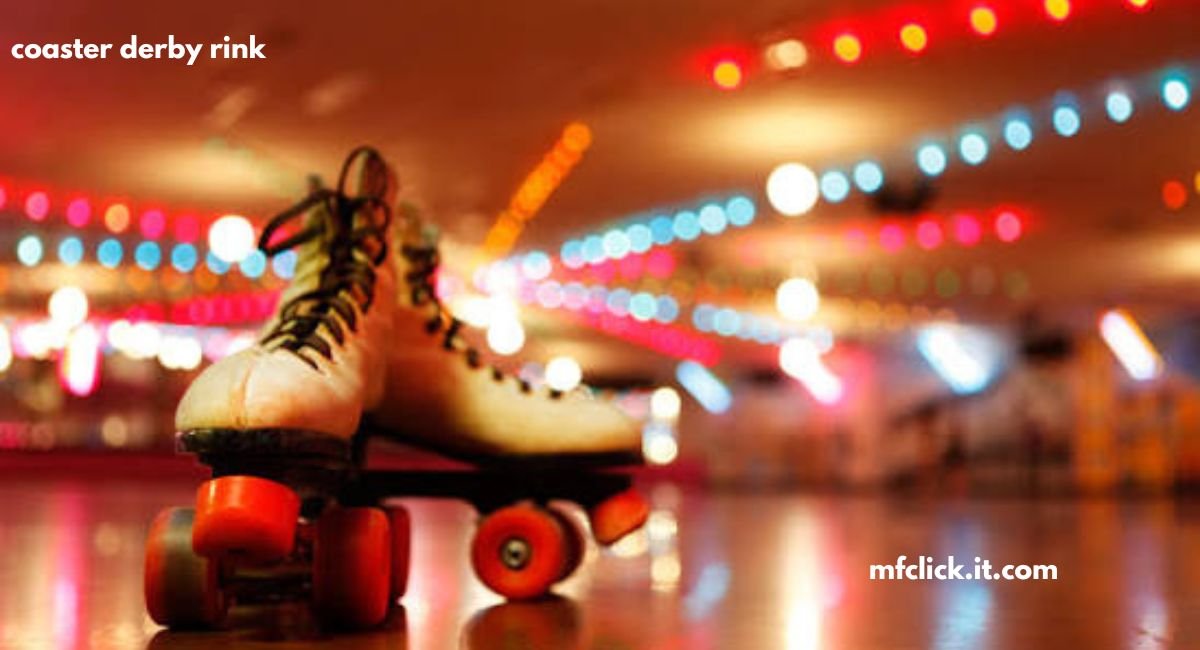
A traditional roller skating rink usually features a smooth surface that allows people to skate around an enclosed area. Depending on the facility, the surface may be made from wood, concrete, or another suitable material. The rink may also include seating, music systems, rental equipment, and designated spaces for beginners.
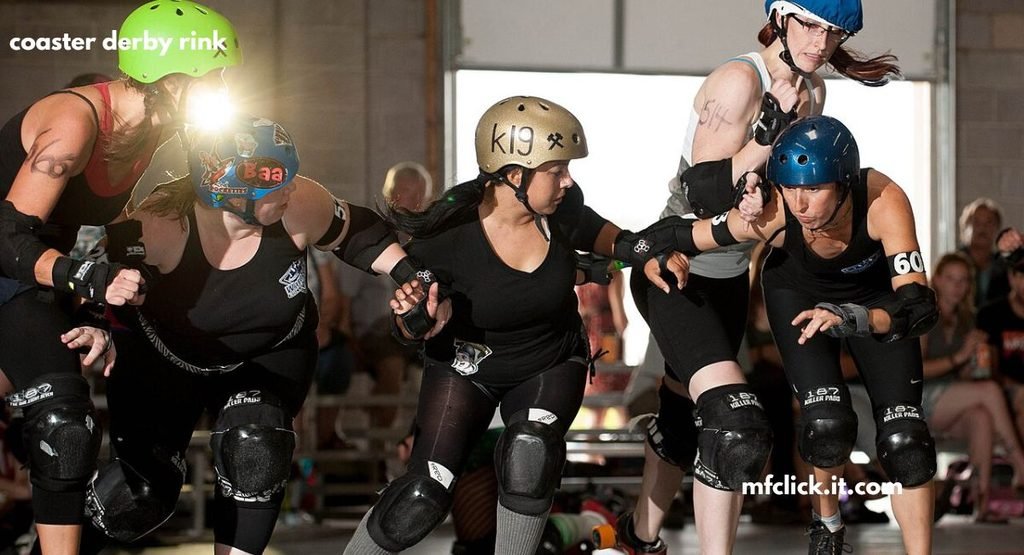
The derby element introduces a more competitive side of skating. Roller derby is a team sport in which skaters compete on a track while attempting to score points through a structured game. The sport requires balance, speed, teamwork, and strategic thinking.
A coaster derby rink concept can therefore appeal to both recreational visitors and sports enthusiasts. Some people may prefer skating casually with friends, while others may be interested in learning competitive skating techniques.
The History and Development of Roller Skating Rinks
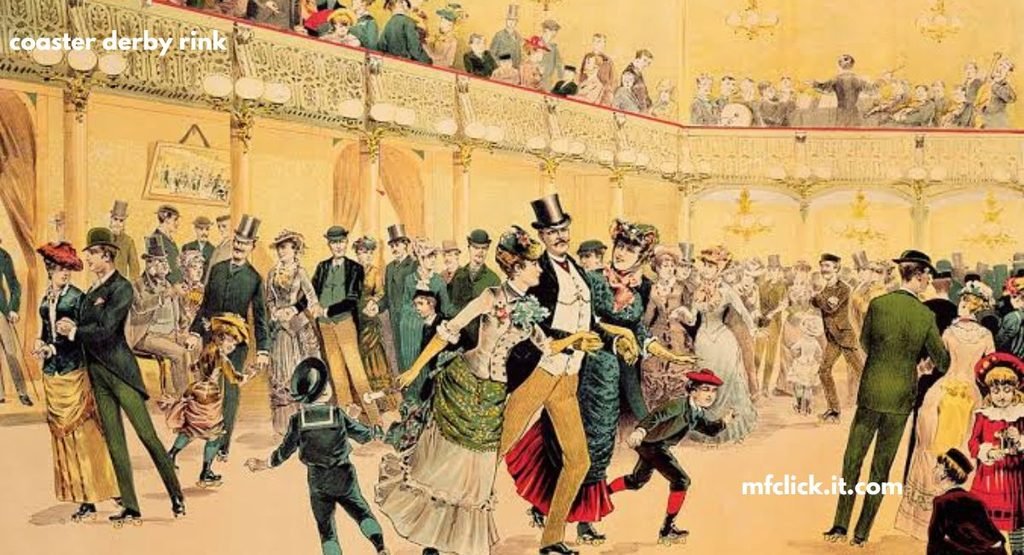
Roller skating has a long history that began centuries before modern indoor skating facilities became popular. Early forms of roller skates were developed as a way to imitate the movement of ice skating on ordinary ground. Over time, improvements in wheel design and skate construction made the activity easier and more accessible.
During the nineteenth and twentieth centuries, roller skating became a popular recreational activity in many communities. Skating rinks developed into social spaces where people could meet friends, enjoy music, and participate in organized events.
The growth of roller derby added another dimension to skating culture. Competitive skating attracted audiences who enjoyed watching athletes race around a track and work together as a team. The combination of entertainment and athletic competition helped establish roller derby as a recognizable sporting activity.
Modern skating facilities often combine traditional skating with contemporary entertainment. They may offer themed skating sessions, beginner lessons, family activities, and special events. This combination allows skating rinks to remain relevant to new generations while preserving the nostalgic appeal of the activity.
What Makes a Skating Rink Enjoyable
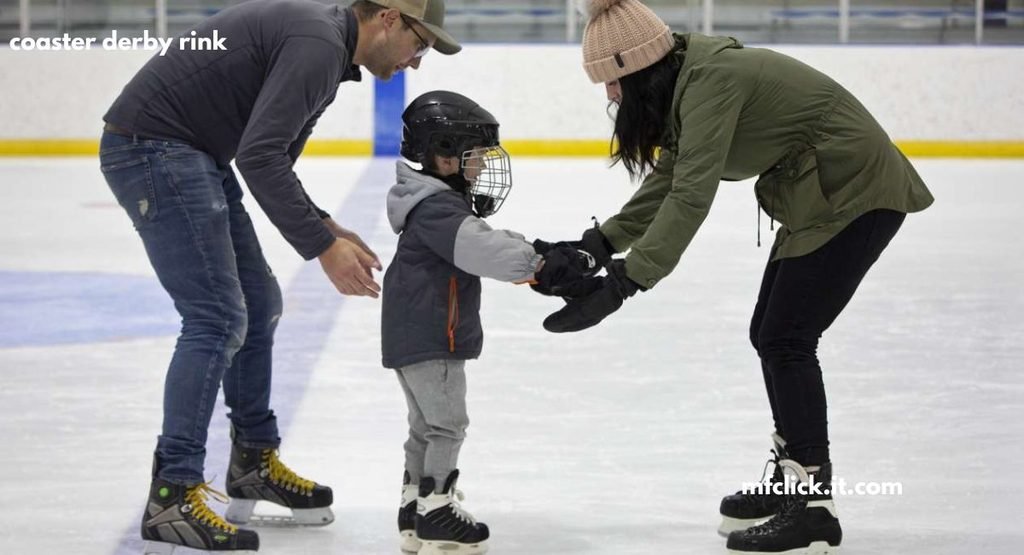
A good skating rink provides more than a smooth surface. Its overall atmosphere plays an important role in creating an enjoyable experience for visitors.
Music is one of the most recognizable features of many recreational skating facilities. Popular songs, colorful lighting, and an energetic atmosphere can make skating feel like a social event rather than simply an exercise activity.
The design of the rink also matters. A spacious skating area allows visitors to move comfortably without feeling crowded. Clear boundaries and designated beginner spaces can make the experience more accessible for people who are still learning.
Friendly staff members, organized sessions, and suitable equipment contribute to a positive environment. Visitors are more likely to return when they feel welcome and can enjoy skating without unnecessary confusion.
A coaster derby rink experience can be especially enjoyable when it combines recreation, music, and opportunities to learn new skills.
Roller Derby and the Competitive Side of Skating
Roller derby is one of the most exciting forms of competitive roller skating. It involves two teams competing on an oval track, with players using speed, positioning, and teamwork to score points.
The sport requires athletes to develop strong skating abilities and understand the rules of competition. Players must learn how to move efficiently, maintain balance, and communicate with teammates while navigating the track.
Unlike casual skating, roller derby involves structured gameplay. Teams work together to create scoring opportunities while attempting to prevent their opponents from gaining an advantage.
The sport can be physically demanding, requiring endurance, coordination, and concentration. Training sessions often include skating drills, strength exercises, and tactical practice.
For spectators, roller derby offers an exciting combination of athletic ability and team strategy. For participants, it provides an opportunity to develop skills and become part of a sporting community.
The Importance of Rink Design
The design of a skating rink can influence how safe, comfortable, and enjoyable the experience becomes.
A recreational rink generally needs a smooth surface that supports controlled movement. Uneven flooring can make skating difficult and increase the likelihood of falls.
The size of the skating area should be suitable for the number of visitors and the activities taking place. A rink used for casual skating may have different requirements from one designed for organized roller derby competitions.
Some roller derby facilities use flat tracks, while others use banked tracks with raised and sloped turns. These designs influence the movement of skaters and the way competitions are organized.
A well-designed rink also considers the needs of spectators, beginners, and people who require additional assistance. Seating areas, clear entrances, accessible facilities, and appropriate lighting can make the venue more welcoming.
Recreational Skating for Beginners
For beginners, a skating rink can be an excellent place to learn a new skill. Unlike skating on busy streets or uneven outdoor surfaces, an organized rink provides a controlled environment where people can practice basic movements.
New skaters usually begin by learning how to stand, balance, and move slowly. They may practice small steps before attempting to glide across the surface.
Learning how to stop is particularly important. Beginners should understand how to control their speed and avoid sudden movements that could cause a fall.
It is also helpful to practice turning and changing direction gradually. These skills allow skaters to move around other visitors without creating unnecessary risks.
A beginner-friendly rink may offer lessons or dedicated sessions for people who are still developing confidence. With regular practice, many new skaters gradually become more comfortable and independent.
Equipment Needed for a Comfortable Skating Experience
Suitable equipment is an important part of roller skating. The right skates can improve balance, comfort, and control.
Roller skates generally feature wheels attached to a boot or shoe. Different skate designs are available for recreational skating, artistic skating, speed skating, and roller derby.
Beginners may benefit from comfortable recreational skates that provide suitable ankle support. Experienced skaters may choose specialized equipment based on their preferred activity.
Protective equipment can include:
- A properly fitted helmet
- Knee pads
- Elbow pads
- Wrist guards
- Appropriate footwear and clothing
Protective equipment is especially important for beginners and people participating in competitive skating.
Before skating, visitors should check that their equipment fits properly and that the wheels and other components are in good condition. Loose or damaged equipment can make skating more difficult.
Safety Rules at a Coaster Derby Rink
Safety should always be an important consideration at any skating facility.
Visitors should follow the instructions provided by rink staff and respect the rules of the skating area. These rules may include skating in a particular direction, avoiding sudden stops, and maintaining a suitable distance from other skaters.
Beginners should avoid entering crowded areas until they feel comfortable controlling their movements. More experienced skaters should also remain aware of people around them.
It is important to avoid pushing, grabbing, or deliberately obstructing other visitors. Such behavior can create dangerous situations, especially when people are moving at different speeds.
Taking regular breaks can help prevent fatigue. Tired skaters may find it harder to maintain balance and respond quickly to changing conditions.
A safe skating environment depends on the cooperation of visitors, staff, and facility management.
Physical Benefits of Roller Skating
Roller skating is an enjoyable way to remain physically active. It involves continuous movement and can help improve cardiovascular fitness when practiced regularly.
The activity also engages several muscle groups, including the legs, hips, and core. Maintaining balance requires coordination and control, which can improve with practice.
Skating may help develop:
- Balance and body awareness
- Leg strength and muscular endurance
- Coordination and movement control
- Cardiovascular fitness
- Flexibility and mobility
The intensity of exercise depends on the speed, duration, and style of skating. Casual skating may provide moderate physical activity, while competitive training can be considerably more demanding.
People returning to exercise after a long break should begin gradually and choose an activity level that feels comfortable.
Social Benefits of Skating
A skating rink can serve as a community gathering place. Friends and families can enjoy an activity together while encouraging one another to learn new skills.
Skating also creates opportunities for people to meet others who share similar interests. Regular visitors may develop friendships through lessons, recreational sessions, and organized sporting activities.
Roller derby teams often build strong connections through training and competition. Team members learn to communicate, cooperate, and support one another.
For children and teenagers, skating can provide a positive environment for developing confidence and social skills. Adults may enjoy it as a way to relax, meet friends, and participate in an active hobby.
These social benefits help explain why skating remains popular in many communities.
Family Activities and Birthday Celebrations
Skating rinks can be suitable venues for family outings and birthday celebrations. They offer an activity that allows guests to participate together rather than simply sitting and watching.
Many facilities organize special skating sessions for families and children. Some also provide party rooms, food services, and equipment rental.
A birthday skating event can include games, music, group activities, and time for guests to practice their skating skills.
Parents should consider the ages and abilities of the children attending. Younger visitors may benefit from beginner areas or additional supervision.
Planning ahead can help make a skating celebration more enjoyable. Families should check the facility’s rules, session times, equipment policies, and available services before arriving.
Music and Entertainment at Skating Rinks
Music is an important part of the recreational skating experience. It can create an energetic atmosphere and encourage visitors to move with the rhythm.
Some rinks organize themed sessions featuring particular music styles or special lighting. These events may attract visitors who enjoy dancing and social entertainment.
Skating to music also allows people to develop rhythm and coordination. Experienced skaters may incorporate dance movements into their skating style.
Special entertainment sessions can make a rink more appealing to visitors who are looking for something different from ordinary recreational activities.
However, music and lighting should be arranged in a way that does not interfere with safety. Visitors must still be able to see the skating surface and respond to instructions.
How to Prepare for Your First Visit
Preparing before visiting a skating rink can make the experience more comfortable.
First, choose clothing that allows free movement. Comfortable trousers and a suitable shirt are usually practical choices. Visitors should avoid clothing that could become caught in wheels or equipment.
Second, check whether the facility provides skate rentals. If rental equipment is available, visitors may not need to purchase their own skates before trying the activity.
Third, consider arriving early enough to become familiar with the venue. Beginners may want to observe the skating area and identify a suitable place to practice.
It is also useful to bring water and take breaks when necessary. Staying hydrated and avoiding exhaustion can help make the session more enjoyable.
Most importantly, beginners should remember that learning to skate takes time. Progress may be gradual, but regular practice can improve confidence and ability.
Choosing the Right Skating Session
Different skating sessions may offer different experiences.
A public skating session is generally suitable for visitors who want to skate recreationally. These sessions may attract families, friends, and people of different skill levels.
Beginner sessions can provide a more comfortable environment for people who are learning basic movements. Depending on the facility, these sessions may include instruction or additional support.
Special events may focus on music, celebrations, or organized activities. Competitive skating sessions may be intended for trained athletes or members of particular teams.
Before attending, visitors should check the session description and make sure it matches their experience level and interests.
Skating Rink Etiquette
Good skating etiquette helps everyone enjoy the rink.
Visitors should remain aware of their surroundings and avoid blocking the skating area. When taking a break, they should move to a designated resting space rather than stopping in the middle of the rink.
Beginners should practice in suitable areas and avoid attempting advanced movements before they are ready.
Experienced skaters should respect the abilities of others and avoid skating too aggressively around children or people who are still learning.
Following staff instructions and treating other visitors respectfully can create a more welcoming environment.
A friendly atmosphere is especially important at a coaster derby rink where recreational visitors and experienced skaters may share the same facility.
The Role of Skating Rinks in Local Communities
Skating facilities can contribute to the social and recreational life of a community.
They provide a place where people can participate in physical activity without requiring access to specialized outdoor spaces.
Local skating clubs may organize lessons, competitions, and community events. These activities can introduce new people to skating and help experienced participants improve their abilities.
Rinks may also provide opportunities for employment, coaching, equipment rental, and event organization.
When managed effectively, a skating facility can become a valuable community resource that supports recreation, sports, and social interaction.
Challenges Faced by Modern Skating Rinks
Although skating remains popular, operating a rink can involve several challenges.
Facilities must maintain their skating surfaces, equipment, lighting, and other infrastructure. Regular maintenance is important for safety and for providing a comfortable experience.
Rink operators also need to manage staffing, scheduling, and visitor numbers. Busy sessions may require additional supervision to prevent overcrowding.
Another challenge is attracting new visitors while maintaining the interest of regular customers. Special events, beginner lessons, and family activities can help create a varied program.
The cost of maintaining a facility may also influence admission prices and the availability of services.
Successful skating rinks often focus on providing a welcoming environment, reliable equipment, and activities that appeal to different age groups.
The Future of Coaster Derby Rink Entertainment
The future of skating entertainment may involve a combination of traditional recreation and modern technology.
Improved lighting systems, sound equipment, and online booking services can make visiting a rink more convenient.
Facilities may also introduce more specialized programs for beginners, competitive athletes, and recreational skaters.
Interest in roller derby and other skating sports may encourage the development of dedicated training areas and organized competitions.
At the same time, traditional skating activities are likely to remain important. Many visitors enjoy the simple experience of moving across a rink with friends while listening to music.
The ability to combine exercise, entertainment, and social interaction gives skating a lasting appeal.
Conclusion
Coaster derby rink represents an interesting combination of skating, recreation, and competitive entertainment. Whether the focus is on casual roller skating, organized roller derby, or family activities, a skating rink can provide an enjoyable environment for people with different interests and abilities.
The experience depends on several factors, including rink design, equipment, safety practices, and the activities available to visitors. Beginners can use skating sessions to develop confidence, while experienced skaters can pursue more advanced skills and competitive opportunities.
Skating also offers physical and social benefits. It encourages movement, improves coordination, and creates opportunities for people to connect with others.
With suitable facilities and a welcoming atmosphere, a coaster derby rink can become a place where visitors enjoy recreation, develop new skills, and create lasting memories.